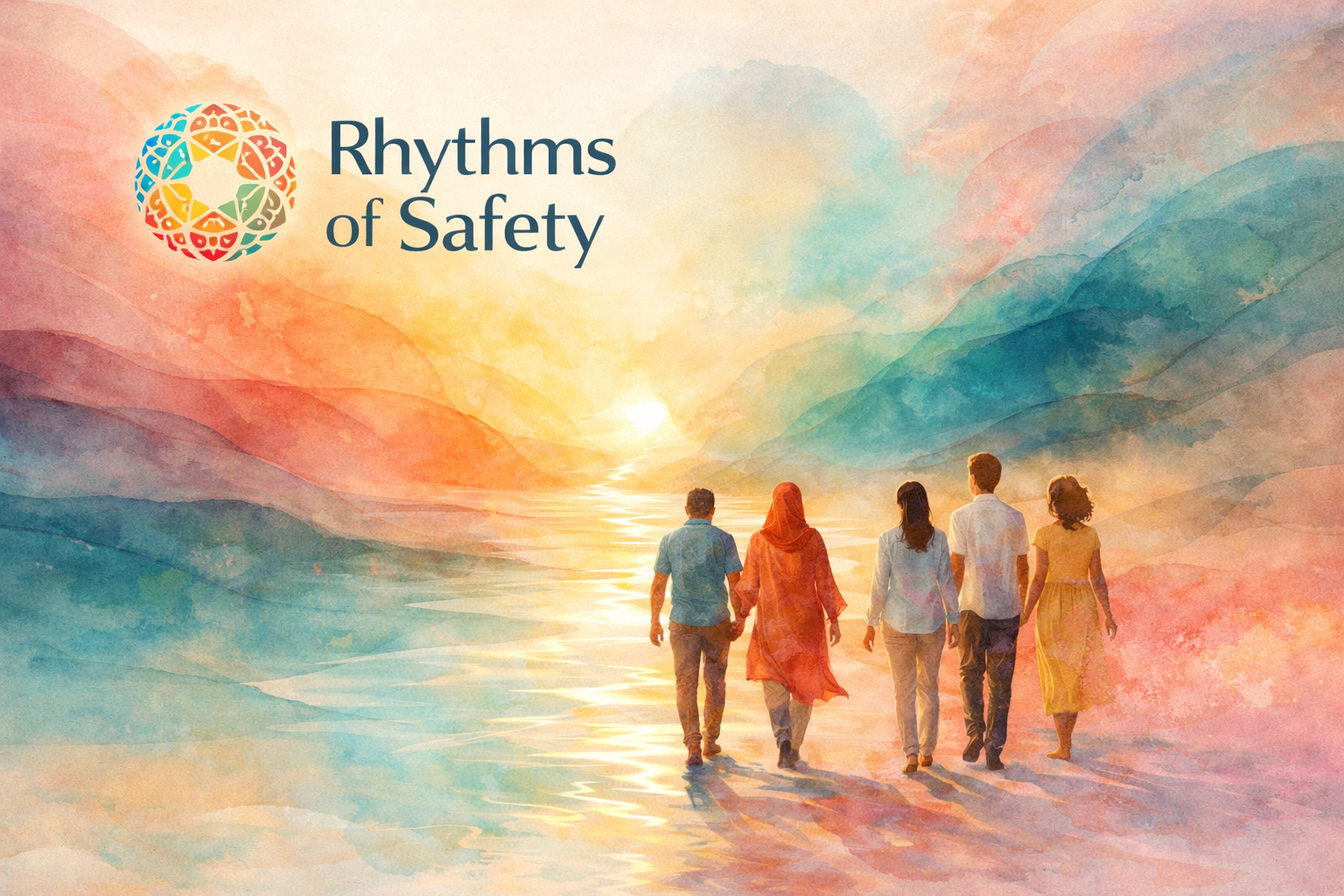
There are moments in life when pressure rises quietly. Expectations stack up. Uncertainty lingers. And before we realise it, our instinct is to push harder – to work longer, speak less, and carry more.
But as Rym Torkhani Labidi beautifully reflected, resilience is not about doing more. It is about responding better.
Neuroscience helps us understand why this matters. When stress becomes chronic, the brain shifts into survival mode. Emotional reactivity increases. Clarity, regulation, and decision-making decrease. Performance narrows. Wellbeing erodes. In that state, pushing harder doesn’t make us stronger – it makes us smaller.
This is where psychological safety becomes essential.
From our conversations and PSS surveys in the Maldives, many people shared that under pressure they feel rushed, guarded, and afraid of mistakes. Silence becomes a coping strategy. Endurance is mistaken for strength.
Yet our own island wisdom tells a different story. When the sea turns rough, we don’t fight the waves blindly. We slow down. We read the current. We respond with care. True resilience has always been about hikmah – wise response.
Positive psychology reminds us that resilience is a trainable skill, built through emotional regulation, meaning, strengths, and supportive relationships. And those qualities grow best in environments where people feel safe to pause, to speak, to ask for help, and to be human.
When organisations invest in psychological safety, recovery, and connection, resilience becomes a shared strength – not a private burden.
So, when pressure rises this week, pause for a moment and ask yourself: Am I pushing harder, or am I responding better?
#SmileAndLetSmile
 Smile and Let Smile