The recent townhall in Hulhumalé Phase One by President Mohamed Muizz did something rare and necessary. It held up a mirror.
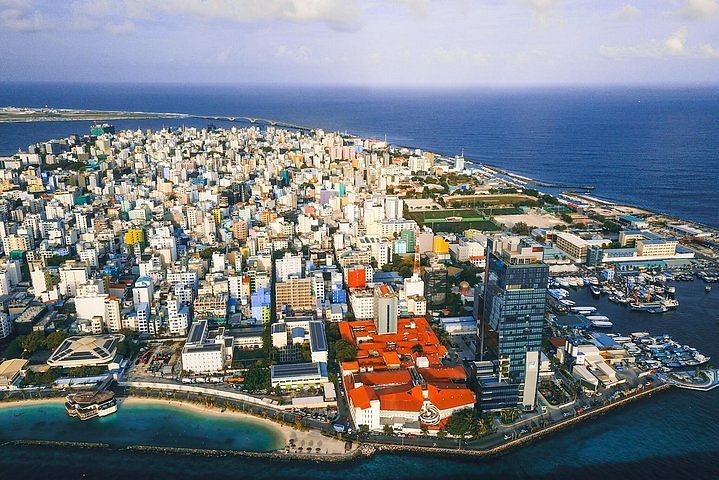
Ahmed Shaz (famous local comedian a.k.a. Thaju) spoke with the clarity of someone who loves this country enough to be honest with it. His warning was stark: if our path does not change, we will shrink a nation of islands into a handful of crowded neighbourhoods – Malé, Hulhumalé, Vilimalé, and Rasmaalé – and call that development, while homelessness grows in the shadows.
His words landed because they named a truth many already feel: housing pain is a symptom; over-centralisation is the disease. For decades, power, services, and opportunity have been pulled toward Malé. Families who could live well on their islands are drawn here by necessity. Malé residents then compete in a market that serves rent-seeking more than people. Everyone loses – except a few.
There was good that came from the President meeting people face-to-face. When President Muizzu listens, the country listens. Townhalls surface lived reality, not filtered briefs. They remind us why the state exists at all: citizens pay taxes expecting relief from hardship, quality services, and a future that feels humane. As Shaz put it memorably, a state is more than a name sprayed on a board in a temporary shelter.
But townhalls also reveal a hard limit.
You cannot build the welfare and wellbeing of 500,000+ people by resolving grievances one by one at a microphone. That is not governance; it is triage. What the public is telling us – again and again – is that systems have failed. And failed systems need strategy, vision, and competent administration, not perpetual firefighting.
So what is the real good that emerged from that townhall?
- Diagnosis became public. The problem is structural, not personal.
- Direction was demanded. Reclaiming land without rebalancing the nation risks repeating the same mistake at a larger scale.
The way forward is not to silence these voices, nor to absorb them into endless meetings. It is to translate them into clear national choices:
- De-centralise services so islands become places to stay, not to escape.
- Plan housing as a social good, not a speculative commodity.
- Measure progress by dignity delivered, not plots reclaimed.
- Put administrators in charge of systems—and free them to focus.
Listening is the first mercy. Acting with coherence is the next responsibility.
If we can move from complaints to causes, from meetings to models, then these townhalls will be remembered not for the pain they revealed—but for the turning point they became.
Smile and let smile.
 Smile and Let Smile