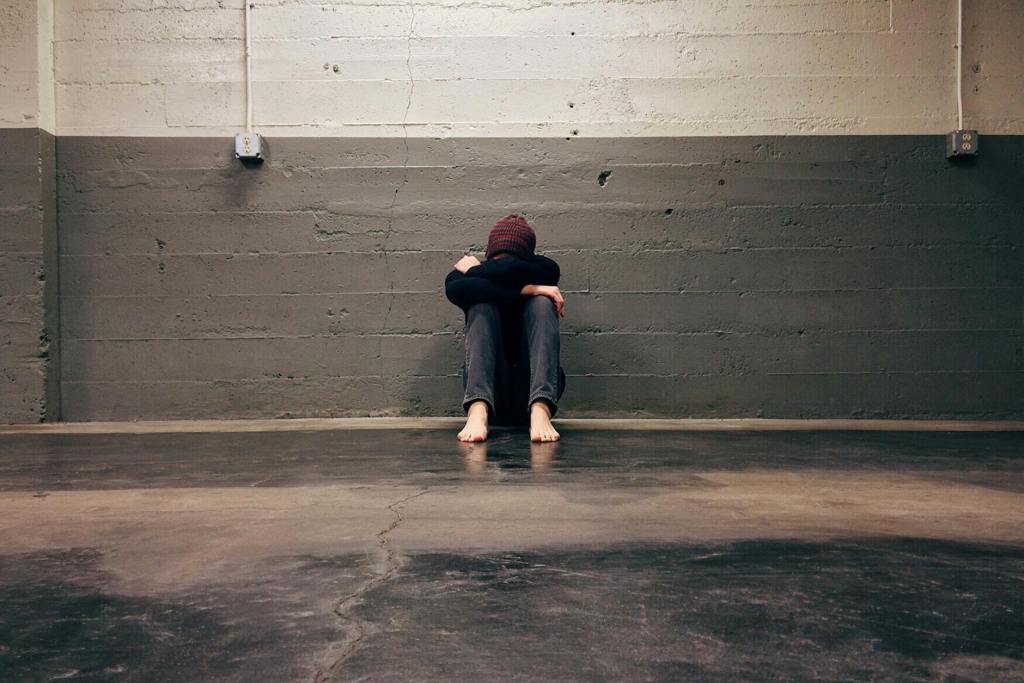
Corruption is often described in numbers. Millions siphoned off here, billions lost there. But the deeper cost is harder to measure: the erosion of dignity, the weakening of trust, the dimming of hope.
When Justice Is for Sale
When judges are compromised, justice becomes theatre. Citizens no longer believe in the law, and silence replaces accountability. It is not only verdicts that are bought — it is the very soul of fairness that is sold. And once lost, trust in justice is painfully slow to rebuild.
Old Roots, New Faces
We cannot say this began yesterday. From the 1980s to the present, corruption has been passed down like a toxic inheritance in the Maldives. Each generation of leaders inherits not only the state but also its rot. Unless broken, this cycle becomes the nation’s normal.
Transparency International chairperson reminded us recently in Malé that the fight against corruption is not about perfection, but about persistence: building systems of transparency that cannot be bent by power. And that the two most significant factors that contribute to corruption at the national level are secrecy and accummulation of power by the few.
What Is Stolen?
The true cost of corruption is not the money. It is trust: trust in leaders, trust in justice, trust in the future.
When trust is broken, people retreat into fear or cynicism. But when integrity is restored, hope rises again.
A Call to Conscience
The fight against corruption is not just a legal matter. It is a moral one. It is about protecting the soul of a people. It is about giving our youth a reason to believe in fairness.
We must build institutions that are stronger than personalities, values that outlast parties, and systems that serve not the powerful but the people.
We musthave the courage to say enough. And may we plant the seeds of integrity, so our children inherit a nation not of shadows, but of light.
 Smile and Let Smile