
I often leave conferences carrying two things: a notebook full of ideas, and a small promise: to return changed. At MAHRP’s Learning and Development Conference’s closing session, Bharti Naik handed us both with a laugh and a lemon we never actually tasted.
She began with a question: what are we really seeking when we chase the next HR fad, the next AI tool, the next shiny framework? Her answer was gentle and a little mischievous: the master key is already inside us. Not a gadget to buy, but a habit to unlock.
The lemon we never ate
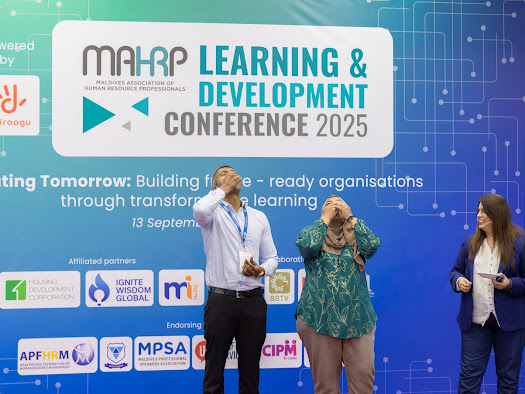
Bharti asked us to imagine squeezing a lemon, to picture the juice, to feel the pucker. Faces in the room changed: without a single slice. That small experiment reminded us that the largest work of leadership is done inside people’s heads long before it shows up in strategy documents.
Our minds are living machines; they capture, file, and later return the experiences we give them. Which experiences are we giving our teams?
AI will recommend songs and shows. It will predict and personalise. But Bharti’s quiet insistence was this: AI can help our work: it cannot replace the way human beings filter, feel and commit. We are not only data processors; we are valuers. We share beliefs, make promises, notice mismatch between words and action and then decide whom to trust. That is the currency of culture.
Learn the language of people — not only the language of systems
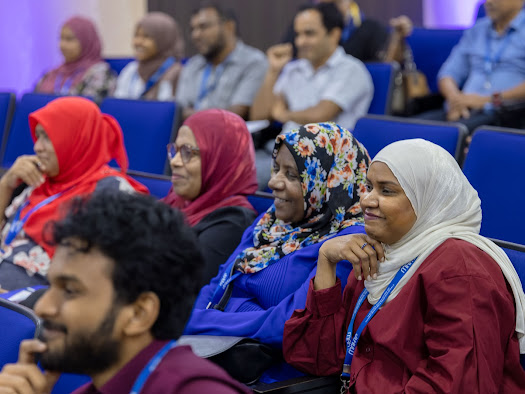
One of her clearest lessons was practical. People take information differently: some are visual, some auditory, some need to feel it. A single slide, a single lecture, can be a gift to one person and a blind spot for another. Bharti reminded us to learn those preferences and make small, daily changes: a flipchart for the visual, a story for the auditory, an experience for the bodily learner. Little adjustments ripple. They change who we include and who we trust.
A promise to take home
The manager in Bharti’s story thought the master key would be external.
He left discovering it was inside him: the attention to detail, the choice to match words with action, the humility to learn again and again.
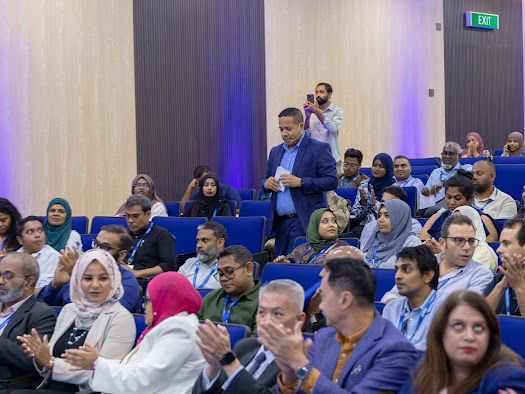
She closed by asking each of us to stand and promise out loud or quietly; to apply one thing from the day. What an unshowy but powerful ritual: a promise is a tiny covenant that turns learning into practice.
So here’s my ask of you: when you return to the office, what lemon will you place on the table? What small sensory, relational or behavioural gift will you offer so your people’s drawers fill with different things? If we begin there, with a single small promise: the work of culture will follow.
 Smile and Let Smile