inspired by the Smile Shihab Podcast conversation with Jaishan Amir. (2nd article)
Some stories leave footprints. Others leave pebbles.
In our Smile Shihab Podcast episode, Jaishan shared a moment that felt symbolic and deeply personal. After visiting Nelson Mandela’s former home in South Africa, he left behind a small pebble inscribed with the words:
“Love you Madiba, from Maldives.”
It wasn’t just a tribute. It was a declaration: from one island soul to another who redefined courage, forgiveness, and leadership. That pebble, humble and quiet, carried the weight of admiration, identity, and legacy. It reminded me that legacy isn’t always built through grand gestures.
Sometimes, it’s the quiet sentence you underline. Sometimes, it’s the story you tell. Sometimes, it’s the love letter you leave at history’s gate.
For Jaishan, Mandela’s Long Walk to Freedom wasn’t just a book. It was a mirror. It reflected back the values he wanted to live by: resilience, emotional depth, and the courage to walk alone when necessary.
This made me recall a phrase on a tshirt that was g8ven to me by a group of street children in Metro Manila that struck a chord.
“Poverty is neither fate, nor a destiny, but a condition that can and must be changed.”
That message became a mission for me. It reframed how I saw struggle: not as a permanent state, but as a challenge to rise from. And that’s the quiet power of reframing: it doesn’t erase pain, but it transforms how we relate to it.
We also spoke of childhood freedom: how the empty stage at Aliya School became his sanctuary. No supervision. No control. Just play.
“Children don’t just play. They build themselves through play.”
That trust, given by his parents, became emotional scaffolding. It allowed him to explore, express, and evolve. And it’s a lesson for all of us: growth doesn’t happen under constant supervision. It happens in freedom. In the spaces where we’re allowed to be curious, messy, and unfiltered.
Toward the end of our conversation, Jaishan offered a powerful reframe:
“Artistry is power. Creativity is power. Happiness is power.”
In a world that glorifies struggle and equates seriousness with strength, choosing joy becomes a radical act. Happiness isn’t the absence of stress: it’s mastery over how we relate to it. It’s reframing anxiety as excitement. It’s turning pain into poetry. It’s choosing to see beauty even when the world feels heavy.
So I ask:
- What message would you leave on a pebble?
- Where in your life are you still free to play?
- And what would change if you saw happiness as your greatest strength?
Because the most magnetic leaders aren’t always the loudest. They’re the ones who’ve turned joy into a practice: and legacy into presence. They’re the ones who leave behind pebbles, not just footprints.
Jaishan reminded me that reframing isn’t just a mental exercise: it’s a spiritual one. It’s the art of seeing differently. And when we choose to see joy, creativity, and legacy as forms of power, we don’t just lead: we liberate.
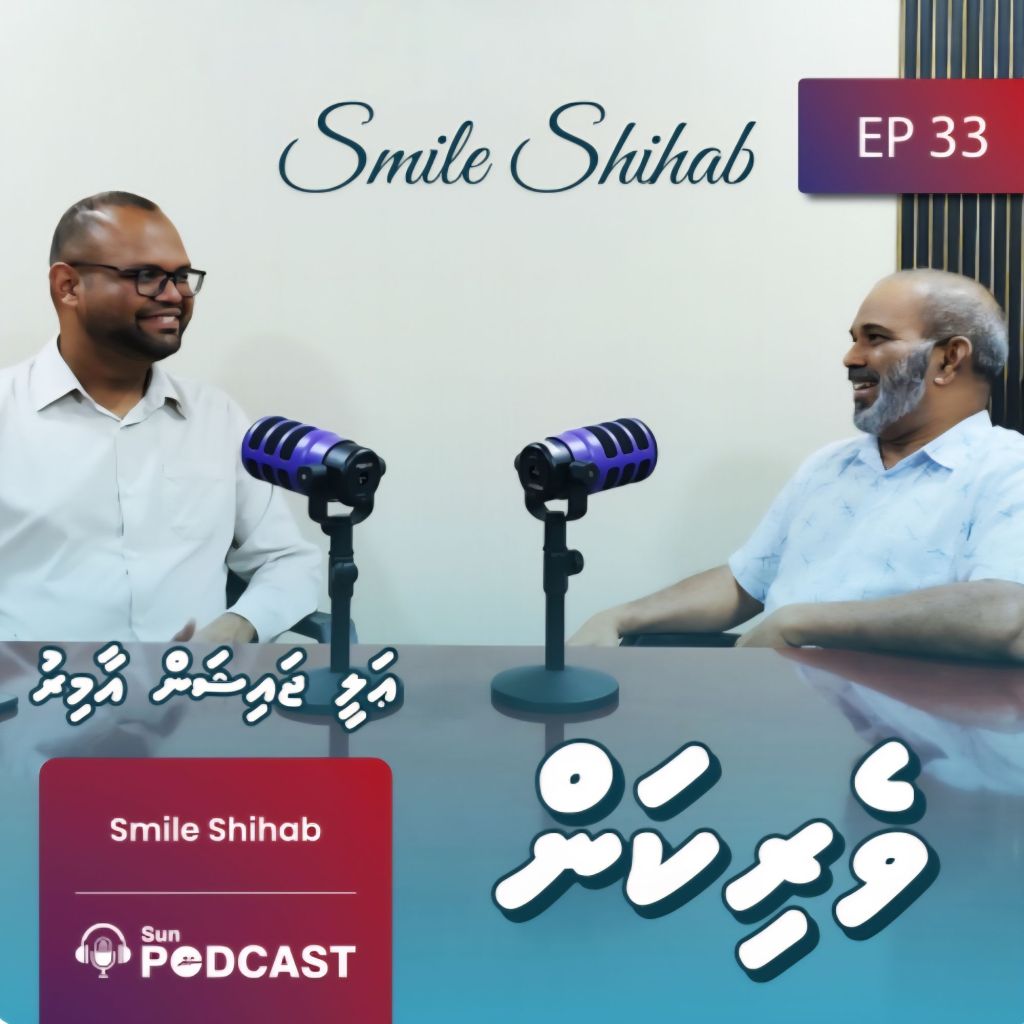
To hear these reflections in full, listen to my conversation with Jaishan on the Smile Shihab Podcast on Spotify, where storytelling meets emotional architecture.
 Smile and Let Smile