The National Juvenile Justice Conference 2025 (#NJJC2025), held from May 10 to May 12 at Villa Nautica Maldives, was a moment of hope.
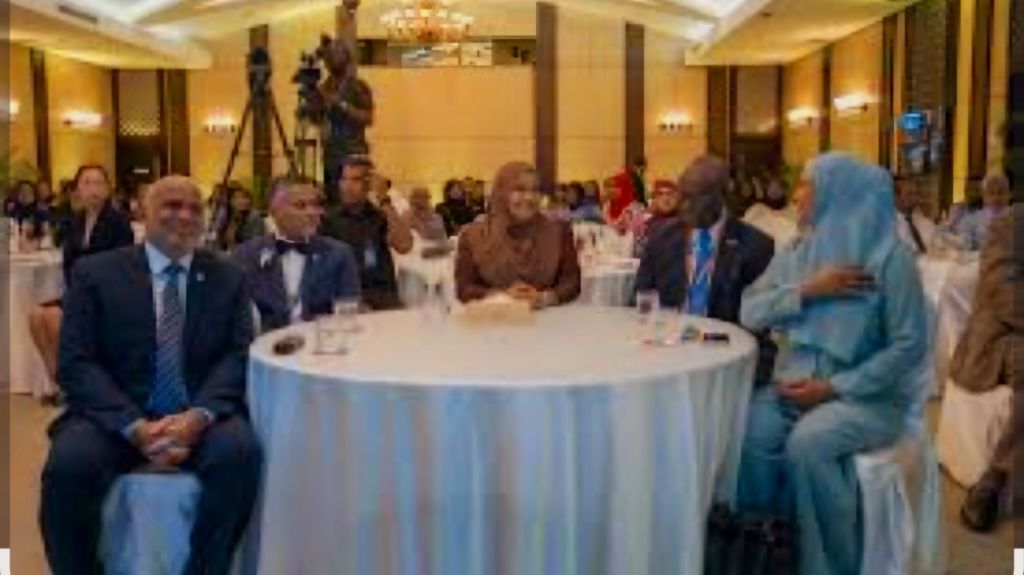
Organized by the Prosecutor General’s Office (PGO) with UNICEF Maldives, it brought together judges, prosecutors, and young people who have faced the juvenile justice system. Their stories demanded a system that heals, not harms; one that offers second chances, not scars.
But as #NJJC2025 fades, we must ask: Will this be another conference of promises, or will it deliver justice for our children?
The Maldives’ past warns against inaction, and we demand transparency and results now.
Previous juvenile justice discussions have produced recommendations, but progress has been slow. The 2019 Child Rights Conference, co-organized by UNICEF Maldives and the Ministry of Gender, called for diversion programs, child-friendly judicial processes, and training to prevent re-traumatization.
The 2015 National Conference on Child Protection and Juvenile Justice, supported by the PGO, urged restorative justice and funding for counselling and vocational training. While these led to updates in the Juvenile Justice Act, systemic gaps: underfunded rehabilitation, inefficient case management, and practices that risk re-traumatizing youth persist, as UNICEF Maldives notes.
NJJC2025 confronted these issues head-on. Panel 1 exposed systemic flaws, Panel 3 explored judicial roles in reintegration, and Panel 4 amplified youth voices, echoing the 2019 call for child participation.
But where are the proposals from these talks? The PGO and UNICEF must not repeat past delays, where outcomes were buried.
Our children, often caught in the system through poverty or failure, deserve action, not rhetoric.Transparency is essential. The public, especially the youth who spoke at NJJC2025, deserves to know what was decided.
The PGO must publish a report detailing recommendations, timelines, and resources, as the 2019 and 2015 conferences did. If proposals exist—for diversion, training, or youth councils—share them. If budgets or laws are needed, disclose the gaps. Silence fuels distrust; secrecy kills hope.
UNICEF Maldives must ensure transparency aligns with the UN Convention on the Rights of the Child.
Action must be built on past lessons. We demand:
- Diversion Programs: Implement 2019’s call for community-based alternatives to detention.
- Rehabilitation: Fund counselling and training, per 2015’s recommendations.
- Trauma-Informed Justice: Train judges in child-friendly practices to prevent harm.
- Youth Inclusion: Create youth advisory roles, building on Panel 4.
First Lady Sajidha Mohamed’s presence at NJJC2025 signals commitment, but promises mean nothing without results. The PGO, UNICEF, and government must publish outcomes, fund reforms, and act.
NJJC2025 must not join the 2015 and 2019 conferences in slow progress. Our children are watching. Will we deliver or fail them again.
 Smile and Let Smile